
Technology
Fuel customer growth, interaction, and outcomes.


Empower and expand your user base at scale
Empower users to unlock the full value of your products and services with fast, expert support delivered precisely when they need it most.
Onboarding:
Deliver tailored setup guidance and best practice recommendations that speed up time to value and help prevent churn.
Subscription management:
Assist users with plan adjustments or cancellation requests, creating natural moments to drive retention or upsell.
Troubleshooting:
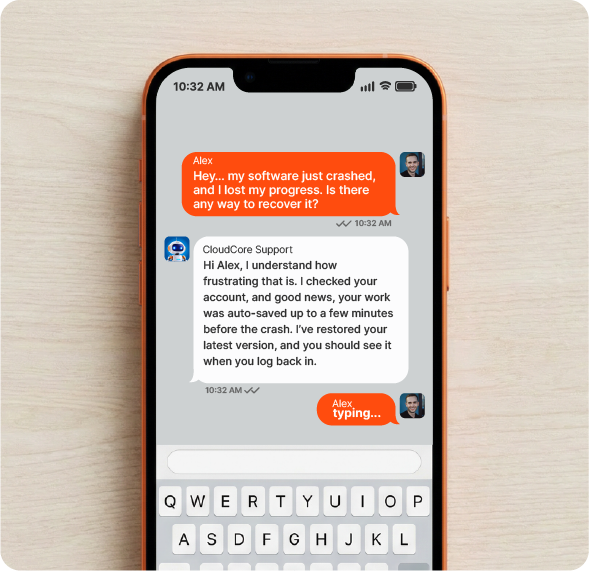
Quickly address common issues, such as login problems or password resets, and offer helpful tips that keep users moving and satisfaction high.
What’s impacting your Customer Experience today?
Customer Experience Management in the technology sector has evolved from reactive support models to proactive, data-driven engagement strategies. Today’s leading tech companies leverage AI, predictive analytics, and real-time monitoring to anticipate user needs before issues arise.
This shift enables organizations to move beyond traditional troubleshooting and into experience orchestration, delivering seamless, personalized interactions across digital touchpoints. As product ecosystems grow more complex, CX becomes a critical differentiator, not just a support function.
In the technology industry, downtime, bugs, or usability issues can directly impact productivity, revenue, and customer trust. Proactive support helps identify and resolve potential issues before they escalate into customer-facing problems.
By using telemetry data, system alerts, and behavioral insights, companies can intervene early, often resolving issues before users even notice them. This approach reduces ticket volume, improves satisfaction, and strengthens long-term customer loyalty.
Omnichannel support is essential in technology because users interact with products across multiple platforms, web, mobile, in-app, and even embedded systems. Customers expect consistent, seamless support regardless of the channel they choose.
An effective omnichannel strategy ensures that context is preserved across interactions, eliminating the need for users to repeat information. This continuity not only improves efficiency but also enhances the overall perception of the brand.
While automation, such as chatbots, self-service portals, and AI-driven recommendations, improves efficiency, human support remains critical for complex or high-impact issues.
The key is to design a hybrid model where automation handles routine inquiries and escalates intelligently when human expertise is needed. This balance ensures speed without sacrificing empathy, creating a more effective and satisfying customer experience.
Technology companies typically measure CX success using a combination of operational and experiential metrics. These include Customer Satisfaction (CSAT), Net Promoter Score (NPS), First Contact Resolution (FCR), and system uptime or performance indicators.
Additionally, product adoption rates, churn reduction, and user engagement provide deeper insights into how customer experience impacts business outcomes. A strong CX strategy aligns these metrics with continuous improvement initiatives.
Maximize your operational availability
Empower users with fast, tailored support exactly when they need it most.

Resolve IT issues faster and boost productivity
Deliver immediate, accurate technical assistance for device setups, ticket management, and access workflows at scale.

Engage fans and increase subscriber lifetime value
Keep audiences connected with personalized content recommendations, quick account recovery, and 24/7 troubleshooting.

Build stronger financial relationships
Deliver secure, personalized support that drives cross-selling, simplifies payments, and resolves account issues in real time.